If your company offers a 401(k), 403(b), or other employee benefit plan, there’s a point where compliance stops being optional—and an audit becomes mandatory.
Yet most plan sponsors don’t fully understand what an employee benefit plan (EBP) audit involves, when it’s required, or how to choose the right CPA firm.
This guide breaks it all down—clearly, quickly, and without the fluff.
What is an EBP Audit?
An employee benefit plan audit is a CPA-led review required for certain retirement plans to verify financial accuracy, participant data, and compliance with ERISA and DOL regulations.
The goal:
👉 Ensure your plan is operating correctly
👉 Identify compliance issues early
👉 Confirm accurate reporting on Form 5500
When Do You Need an EBP Audit?
You generally need an audit when your plan reaches: 100+ eligible participants at the beginning of the plan year. This is known as the “large plan” threshold under DOL rules.
Key nuances:
- Based on eligible, not participating employees
- Includes terminated employees with balances
- The 80-120 participant rule may allow flexibility year-to-year
Bottom line:
If you’re near 100 participants, you should already be planning for an audit.
What Does an EBP Audit Cover?
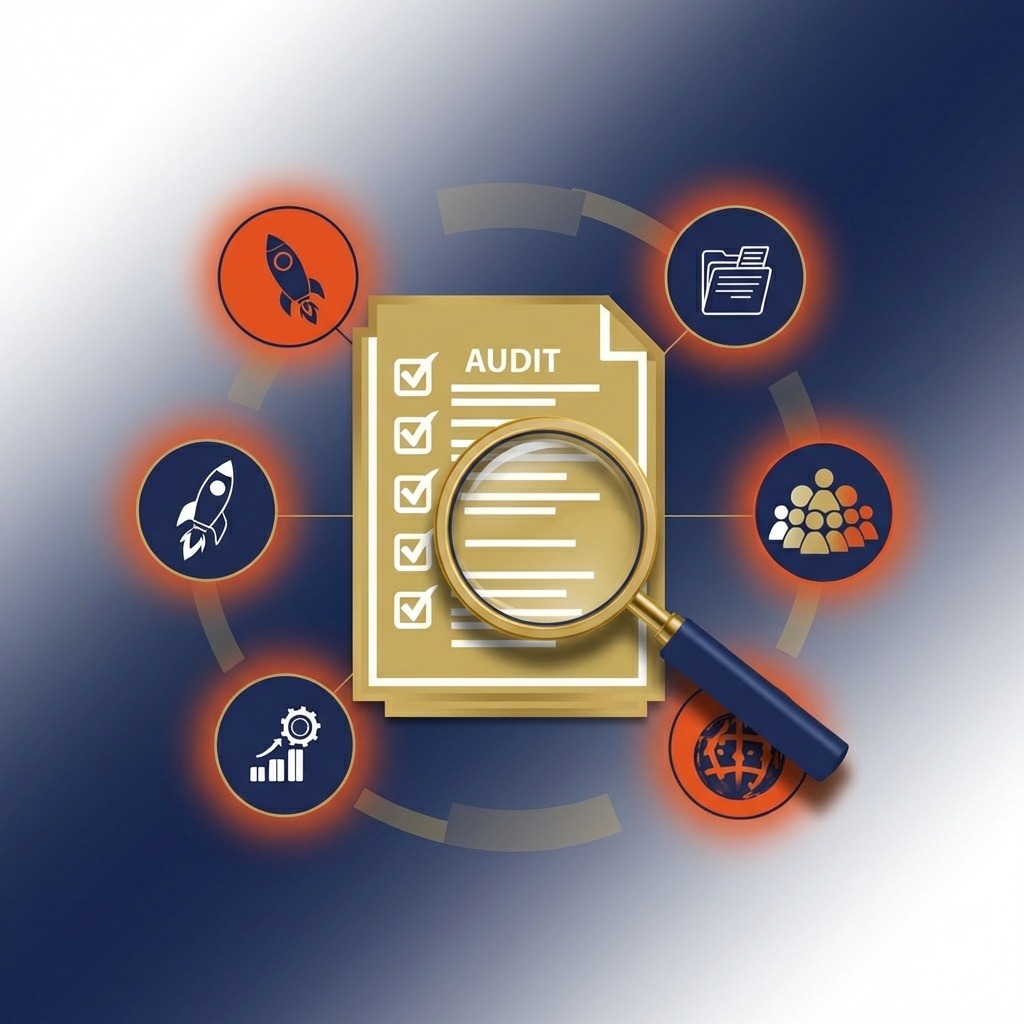
A high-quality EBP audit examines:
Participant Data
- Eligibility
- Contributions (employee + employer)
- Allocation accuracy
Plan Operations
- Are you following your plan document?
- Loan provisions, distributions, vesting rules
Financial Reporting
- Accuracy of financial statements
- Tie-out to Form 5500
Contributions & Deposits
- Timing of deposits (DOL is strict here)
- Late contributions and potential prohibited transactions
Investments
- Valuation
- Participant allocations
- Reconciliation to trust reports
What Is the EBP Audit Process? (High-Level)
While every firm differs, a streamlined audit typically follows:
- Planning & Request List
- Initial document request (participant data, trust reports, plan docs)
- Data Testing
- Contributions, distributions, loans, eligibility
- Compliance Testing
- ERISA and plan provision adherence
- Issue Identification
- Errors flagged early (not at the last minute)
- Financial Statement Preparation
- Draft audit report + financials
- Final Review & Filing Support
- Coordination with Form 5500 filing
Important EBP Audit Deadlines
Missing these can get expensive—fast.
Key dates:
- Plan year-end: Typically December 31
- Form 5500 due date: July 31
- Extended deadline (with Form 5558): October 15
What Happens If You Don’t Complete an Audit?
The penalties are severe:
- DOL penalties: Up to $2,670 per day (no cap)
- IRS penalties: Up to $250 per day (max $150,000)
- Reputational damage
- Increased likelihood of DOL investigation
Failing to complete a required EBP audit can result in daily penalties from the DOL, IRS fines, and increased regulatory scrutiny.
How to Find the Right EBP Auditor
Not all CPA firms are built for EBP audits. Look for:
- Specialization in employee benefit plan audits
- Experience with your plan size and complexity
- Clear, predictable pricing (avoid scope creep)
- A defined, repeatable audit process
Questions to Ask an EBP Auditor
Before hiring, ask:
- How many EBP audits do you perform annually?
- Do you use full-population testing or sampling?
- What’s the expected time commitment from our team?
- How do you handle late contributions or errors?
- What’s included in your fee?
Red Flags to Watch Out For
Avoid firms that:
🚩 Treat EBP audits as a side service
🚩 Have unclear or hourly-based pricing
🚩 Require 10–20+ hours of your team’s time
🚩 Communicate issues late in the process
🚩 Rely heavily on junior staff with little oversight
These are the firms that lead to delays, scope creep, and increased compliance risk.
Why Specialization Matters (More Than You Think)
According to DOL findings, a significant percentage of EBP audits contain major deficiencies. Why? Because many firms:
- Don’t fully understand ERISA nuances
- Apply generic audit approaches
- Miss plan-specific compliance issues
A specialized firm reduces risk, time, cost, and stress for everyone involved in a 401(k) audit.
PriceKubecka: A Better EBP Audit Experience
At PriceKubecka, we’ve reengineered the audit process specifically for plan sponsors. Here’s what makes us different:
- Specialized exclusively in EBP audits
- Flat-fee pricing starting at $12,000 (no surprises)
- Less than 5 hours of your time
- Full-population testing (not limited samples)
- Faster turnaround with fewer follow-ups
- Proactive communication—no last-minute issues
We deliver high-quality audit rigor without the big-firm price—or the low-cost shortcuts.
👉 Talk to PriceKubecka today and see how a modern, specialized EBP audit should work.
Frequently Asked Questions
What triggers a 401(k) audit requirement?
A 401(k) audit is required when a plan has 100 or more eligible participants at the start of the plan year.
How much does an employee benefit plan audit cost?
PriceKubecka offers flat-rate 401(k) audit pricing starting at $12,000. This is typically less than half the cost of a traditional audit, with no travel expenses or hourly billing surprises. Additional charges may apply for plan mergers, terminations, or operational defects discovered during the audit.
How long does an EBP audit take?
Most audits take several weeks, but a streamlined process can significantly reduce disruption and time commitment.
How much time does a plan sponsor need to spend on an audit?
Traditional audits may require 10–20+ hours, but optimized processes can reduce this to under 5 hours.